
Ethiopia’s Cure
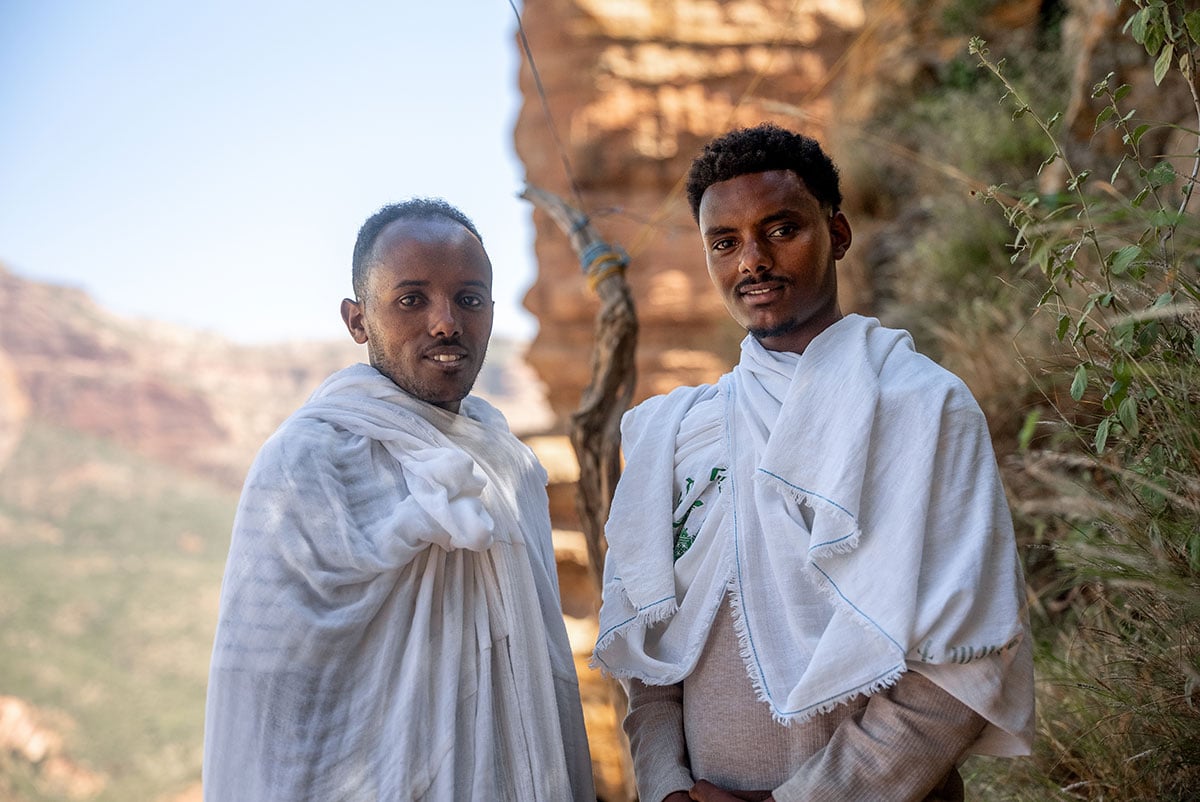
“Families suffer when someone is born again.”
I scribbled this down on my notepad, but quickly looked up at Haile (alias) for an explanation. To me, his statement didn’t make sense.
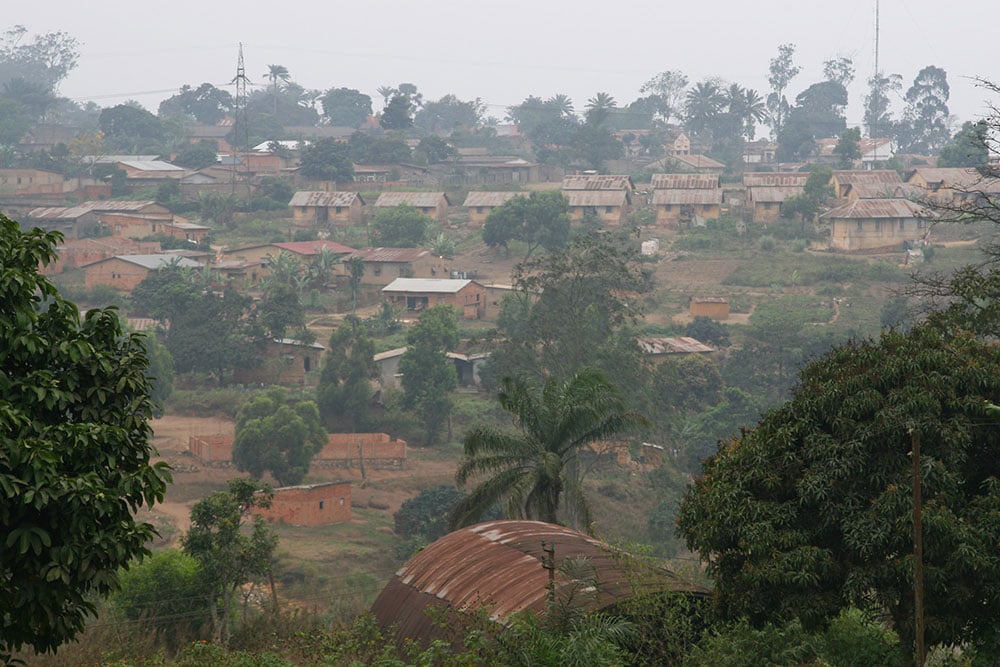
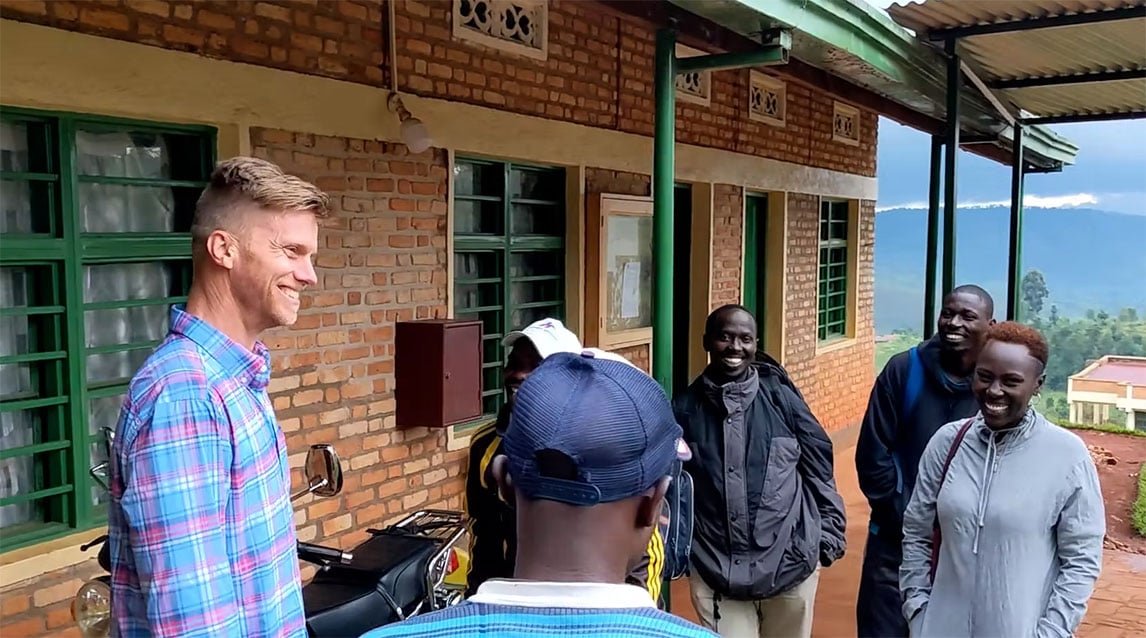
I had traveled with a team from Multiply to meet new ministry partners in the Tigray Province of Ethiopia—a nation with a spiritual heritage reaching all the way back to the New Testament. Sitting across the table from Haile in the town of Mekele, I couldn’t imagine how or why being born again could possibly cause suffering.
He went on to describe pastors being poisoned for leading people to Christ and employees getting fired from their jobs for sharing the Gospel. College students had been banished from classes because they chose to attend Bible studies, he said, and missionaries were now forced to work undercover to avoid losing their visas and being deported.
It sounded like the kind of mistreatment believers face in places like China and the Middle East, not a “Christian” nation like Ethiopia.
Luke tells us in the Book of Acts that Philip (the Evangelist) was prompted by the Spirit to approach an Ethiopian official as he returned home from worshipping in Jerusalem. After hearing the good news about Jesus, the official asked to be baptized. He then went on his way rejoicing, assumedly sharing the message of Christ when he reached his homeland.
Tradition also credits the apostle Matthew with bringing the Gospel to the Horn of Africa. He spent fifteen years preaching and discipling the people in and around Ethiopia. As a result, Christianity was adopted as the state religion in the fourth century, and was pivotal in resisting the expansion of Islam as it swept across sub-Saharan Africa.
In the centuries since that time, however, things have changed. A spiritual disease has insidiously infected the Church. Today, following Jesus comes at a tremendous cost.
Haile’s family was forced out of Eritrea (the country bordering Ethiopia to the north) by the Eritrean War of Independence that erupted in 1998. They relocated to Tigray Province where he was raised in a staunchly Orthodox home.
He became quite concerned when his older brother claimed to be “born again.” His father sternly warned him to have nothing to do with his brother and lectured him on the dangers of being born again.
But as Haile watched his brother’s life, he saw remarkable changes. This motivated him to investigate.
“Eventually,” he says, “my brother led me to the Lord.”
Haile attended Bible school and is now part of a leadership training program. He hopes to begin teaching the Bible and is actively sharing Jesus in the Orthodox community.
Elias (alias) told me a similar account when I had the opportunity to interview him during our trip. He was studying to be a priest in the Ethiopian Orthodox Church when he first heard the Gospel. Though he had been raised in the Church, the message was foreign to him. Initially, he was very skeptical.
As he began to read the Bible, Elias was surprised by what he found. “The Lord spoke to me out of the Scriptures,” he recalls. He soon put his faith in Jesus and was born again. That’s when the trouble started.
In the Orthodox Church of Ethiopia, those who convert to evangelical Christianity are considered apostate and labeled pente. Originally referring to Pentecostals, the term pente now covers all Protestant believers, especially those who claim to be “born again.” Anyone who tries to convince Orthodox parishioners to leave the Church is accused of being a thief guilty of “stealing sheep.”
While Elias was aware that the Orthodox Church was opposed to pente, he was nevertheless shocked at the consequences of his decision to follow Jesus. Not long after putting his faith in Christ, someone secretly videoed him at an underground worship service, posted it online, and he was expelled from school.
Elias says pente can be kicked out of higher education, have their rent increased, and even be evicted from their homes. Spouses of pente are encouraged to seek divorce. Children of pente are often bullied at school and harassed on social media. Pente can even be denied a place to bury their dead. “In general,” Elias says, “we are anathema—treated like second-class citizens.
“About 90% of the people in Tigray are Orthodox,” he explains. “They need to hear the Gospel message. They need to encounter the truth of the Bible.”
Multiply is partnering with courageous pente like Haile and Elias to bring the transforming power of Jesus Christ to Ethiopia. In the midst of a hostile spiritual environment, this courageous team of indigenous missionaries has joined God in His passionate desire to set captives free.
The principal strategy is to get Bibles into the hands of the people. “The Orthodox Church does not want us reading the Bible,” Elias explains. “They don’t preach the Bible. If Bibles are discovered, they are burned. But if people will read the Scripture, they will see the problems with the Orthodox Church. And they will understand the true Gospel.”
It’s a strategy that is already bearing fruit. A growing number of Orthodox parishioners are choosing to follow Jesus. A handful of theology school professors and even Orthodox priests have put their faith in Christ and are now spreading the Good News from inside the Church.
GIVE & PRAY
You can help share God’s Word with the people of Ethiopia by making a gift to Multiply’s Bible fund. Please pray for members of the Orthodox Church to be open to the truth of Scripture. And pray for the faithful pente remnant to continue boldly sharing the Gospel and making disciples.