

Stories from the Front Lines
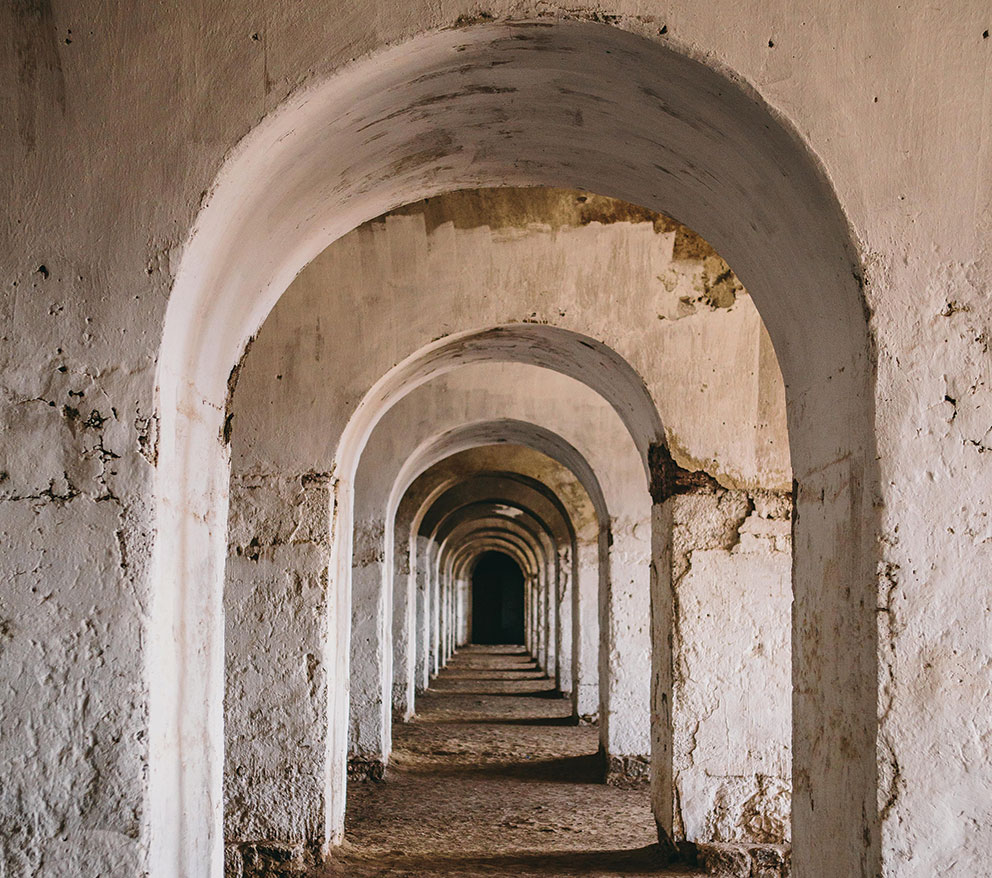
“The history of the church may almost be said to be a history of the trials and sufferings of its members...” – Foxe’s Book of Martyrs
In the west, we enjoy relative freedom to practice our faith. But for many members of the global church, following Jesus comes with a heavy price. Our brothers and sisters in places like Nigeria, Afghanistan, and North Korea often share in the sufferings of Christ.
What follows are just two of the many accounts we regularly receive from our partners in one of the most dangerous regions of the world: the Middle East and North Africa (MENA). As you read about their encounters with opposition and persecution, please lift these courageous brothers and sisters up in prayer.
Saleh’s Summons
When Brother Saleh (alias) returned from a recent ministry trip, he was praising God. While visiting nearby cities and towns, he had witnessed the Lord working in powerful and exciting ways. House churches were flourishing, new believers were being discipled, seekers were asking questions, Scripture was being distributed, and God’s Kingdom was rapidly advancing. What made this all the more remarkable was that this was taking place in an Islamic nation that has historically been opposed to the Gospel message and has even instituted strict laws to prevent Christian evangelism and mission work.
This was truly cause for rejoicing!
Then Saleh saw the notice waiting at his home—a summons to appear at the police station. There was no explanation, but he knew the reason. Saleh began to pray and sent out an urgent call for others to join him in seeking the Lord’s intervention.
At the police station the next morning, he was escorted into an interrogation room filled with a half dozen officers. The lead officer explained that Saleh’s name had surfaced in several recent cases involving Christian activity in the region. Brother Saleh had been identified as someone who trains leaders, teaches new believers, and provides Bibles to those who want them. The officer asked him to respond to these allegations.
Saleh told the group that God’s Word instructs followers of Jesus to submit to governing authorities. He added that if he had broken the law, he was prepared to face formal charges in court. When asked about his faith and the gatherings that had been reported, he confirmed that the believers in the area regularly held prayer and church meetings in their homes. He then invited the officers to attend.
In what could only be considered an answer to prayer, the lead officer eventually tore up the file and told Saleh they would not be charging him with anything. Another officer commented that the difficulty with accusing Christians of committing crimes was that their lives were free of wrongdoing. Investigations only seemed to uncover a pattern of helping the poor and loving society.
Sensing an opportunity, Brother Saleh asked if they would like to know more about God’s love. But they declined, explaining that the appropriate place for preaching was at the mosque, not in the police station.
As the interview concluded and Brother Saleh was released, he told the officers that the believers were praying for the government and for them.
“Please continue praying that the Lord would touch the hearts of these authorities,” Saleh says. “Pray for the Lord to grant peace in the midst of ongoing surveillance and resistance that Christians face, and that believers will remain strong and steadfast under pressure. Pray too that if I am summoned again, God will grant boldness, clarity, and protection.
“We love this country and its people, and will keep serving, evangelizing, and praying here. We know that God can change hearts.”
The Delegation
News that a delegation of Islamic officials was making unannounced visits to the homes of Christians in this MENA nation sent shock waves through the believing community. The state religion is Islam and the vast majority of the citizens are Muslim. There are strict laws against Christian evangelism and Bible distribution, and if a Muslim chooses to leave Islam to follow Jesus, their “apostasy” is legally punishable by death.
When the delegation failed to physically locate any believers, they contacted one of them by phone and demanded that he appear at the police station. Complying with this request, the brother soon learned that the authorities wanted to meet with the local Christians that evening. It was not a good sign.
The location of the meeting was no comfort either. They were expected to gather at the home of a prominent imam. When the believers arrived, they found themselves facing the delegation—several senior Islamic officials and scholars—along with a group of policeman, and a number of observers, who were most likely Salafists (members of a hyper-radical Islamic sect).
The leader of the delegation opened the meeting by declaring that in this nation, anyone who departs from Islam must be executed. He explained that apostasy was a threat to national security and social cohesion. Another official noted that two alleged apostates had been executed in the last year and that two more were on death row. The only safe and acceptable course of action for Christians, he said, was to return to Islam.
An hour into the meeting, the call to prayer sounded from a nearby minaret. The delegation rose in response, expecting the believers to join them at the mosque in a show of public repentance. This would demonstrate their intention to return to Islam. But the brothers remained seated. When the delegation returned from prayer, they announced, “We understand you do not wish to come back. There is no more to discuss.” And abruptly, the meeting ended.
But that isn’t the end of the story. These brothers continue to be watched closely. The lingering threat of prosecution and punishment hangs over their heads. Will they be harassed? Will they be arrested? Will they be executed for their faith?