
In Times of War
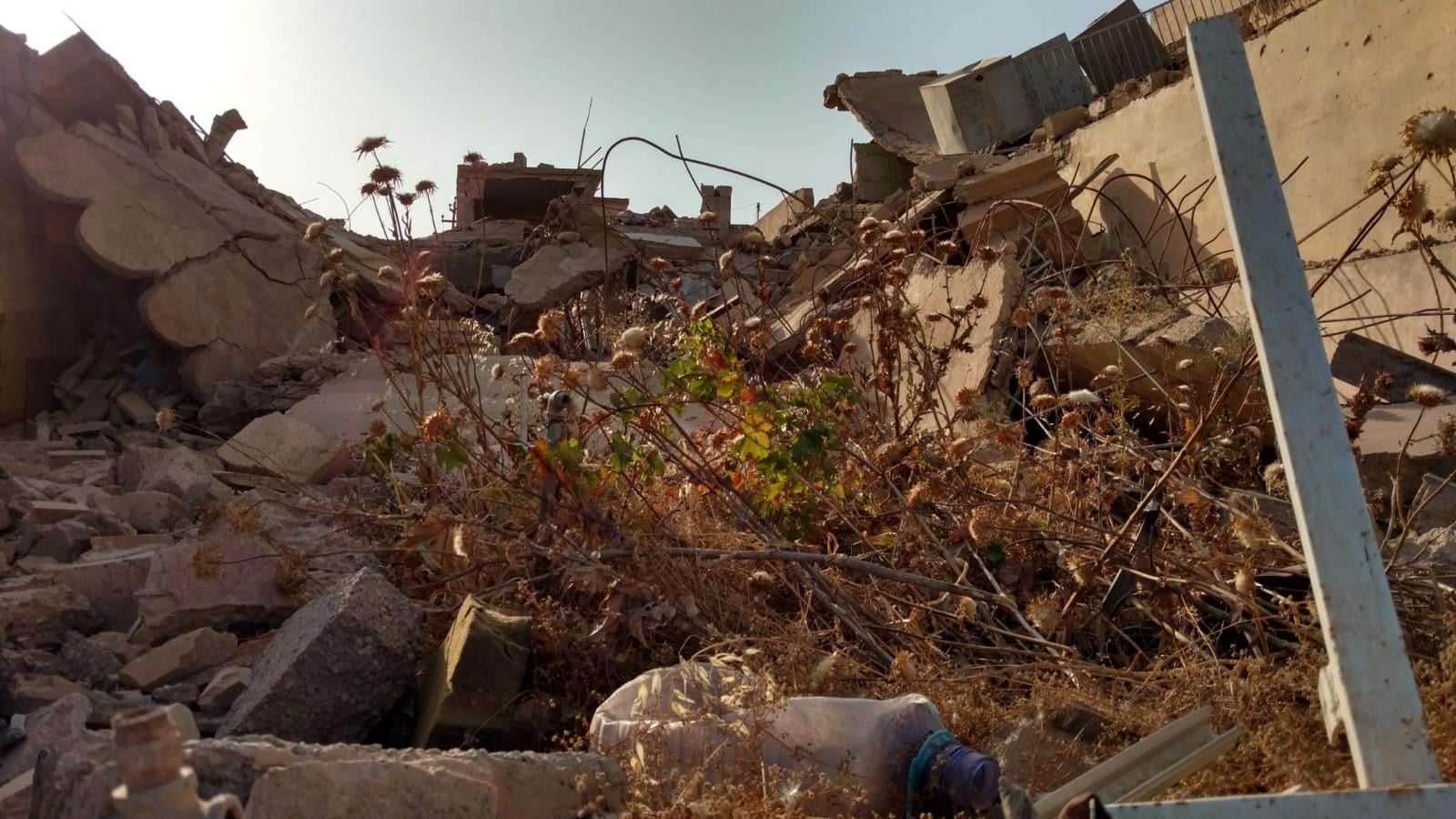
When war fills our screens and the language of death becomes ordinary again, something in us recoils. It should. Human beings were not made for this. We were not made to watch cities burn, to count the dead, to grow accustomed to grief, or to speak of entire peoples in the cold language of strategy and retaliation.
And yet this is the world as it is east of Eden.
In times like these, believers are often pulled in a dozen directions at once. Some are drawn into outrage. Some into fear. Some into endless analysis. Some into a kind of helpless numbness. But before we respond as commentators, citizens, or partisans, we must respond as disciples of Jesus.
The question is not first, “What side do I take?”
The deeper question is, “What does faithfulness to King Jesus look like here?”
With faith
War has a way of stripping away illusion. It reminds us how fragile our confidence really is when it rests in governments, military strength, diplomacy, or the imagined stability of the world we have built.
Scripture calls us to a steadier vision.
God is not absent in the chaos of nations. He is not startled by the violence of men. He is not pacing heaven in anxiety over what rulers and armies may do next. The Lord remains the Lord. His reign is not threatened by the madness of the age.
To say that is not to excuse evil. It is not to soften the horror of bloodshed or to explain away the suffering of the innocent. Lament remains necessary. Tears remain holy. But fear is still not our master.
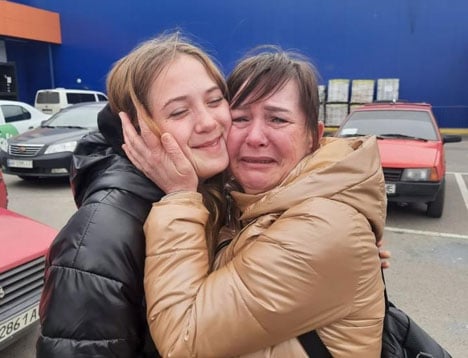
We look to the God who sees what the headlines cannot hold: the terrified child, the grieving mother, the exhausted father, the displaced family, the hidden cruelty, the silent prayer, the soul on the edge of despair. He sees, and He is not indifferent.
So our confidence is not in princes. Not in weapons. Not in negotiations alone. Our confidence is in the Most High, whose kingdom is not fragile, whose justice is not compromised, and whose mercy has not run dry.
Faith in times of war means refusing to let the violence of the world dictate our vision of God.
With prayer
If war reveals anything, it reveals how desperately the world needs the mercy of God.
The Church does not meet the world’s violence by mirroring its spirit. We are not called to baptize rage, sanctify vengeance, or confuse political fervor with the kingdom of God. We are called first to take up our priestly vocation: to stand before God on behalf of the world and cry out for mercy.
Prayer is not avoidance. It is not passivity. It is not the thin response of people who have nothing real to offer. Prayer is one of the deepest forms of participation available to us, because in prayer we refuse both despair and delusion. We bring before God what human power cannot mend.
So we pray.
We pray for those living beneath the terror of war.
We pray for the wounded, the grieving, the displaced, and the traumatized.
We pray for those who are trapped between powers greater than themselves.
We pray for believers trying to remain faithful in the midst of fear and instability.
We pray for restraint where destruction is escalating.
We pray for justice without hatred, for mercy without naivety, and for peace that is more than the temporary silencing of guns.
And we pray because we know that history is not sealed off from the presence of God. The Lord hears. The Lord sees. The Lord acts.
With witness
War also uncovers the ache beneath human certainty. It exposes how thin our idols are. It forces questions to the surface: What can be trusted? Where is God? What hope remains when the world feels unmade?
In such moments, the Church must be careful.
We do not treat suffering as an opening to be exploited. We do not rush to turn human pain into ministry language. We do not move too quickly from lament to answer, or from grief to strategy. The suffering of others is not a stage for our urgency.
And yet neither do we fall silent about Christ.
We remain present.
We remain tender.
We remain prayerful.
We remain ready, when the moment is right, to speak of the One who entered violence without becoming its servant, who bore the hatred of the world without returning it, and who will one day judge the nations in righteousness.
The world does not need louder Christian reactions. It needs a distinctly Christian presence: people who do not surrender to fear, do not feed on outrage, do not harden themselves in hatred, and do not lose their hope.
Christ is still the Prince of Peace. And even in a world disfigured by war, His kingdom remains the truest reality.
Let us pray
Let us pray for mercy for all who are caught in the terror of war.Let us pray for comfort for those who mourn and for healing for those carrying deep trauma.
Let us pray for the protection, endurance, and faithfulness of believers in places of conflict.
Let us pray for civilians, families, and communities whose lives have been shattered.
Let us pray for restraint among leaders and for the silencing of what is fueling destruction.
Let us pray for justice, but never divorced from humility before God.
Let us pray for the Church to be steady, compassionate, and unafraid.
And let us pray that in the midst of human violence, many would encounter the crucified and risen Christ, whose kingdom alone will know no end.
Subscribe to Vision for Mission